

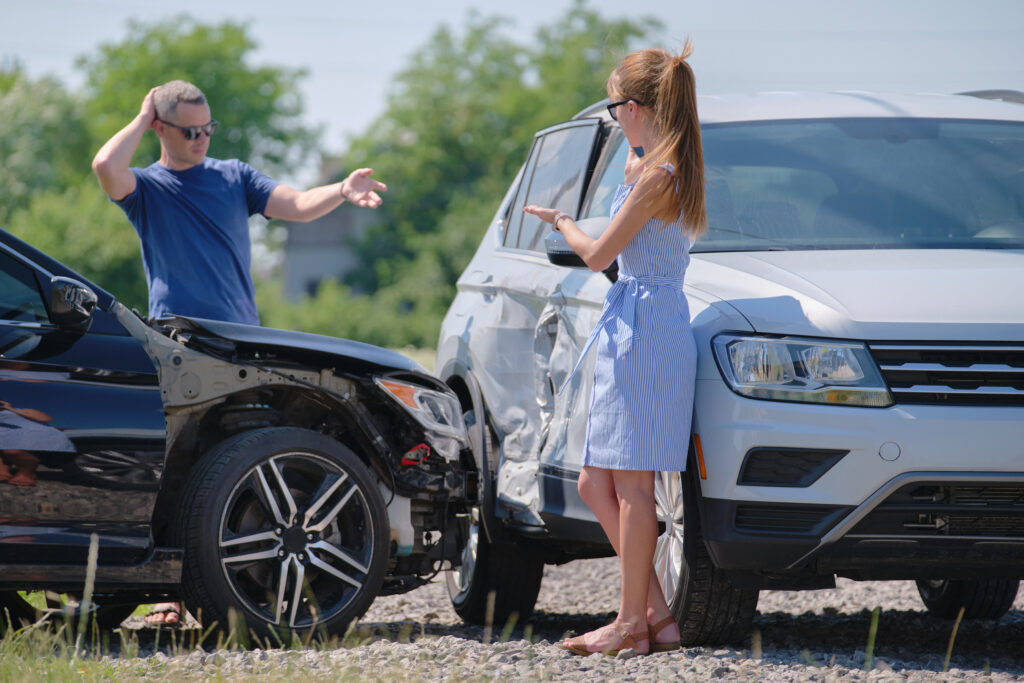
No one ever gets behind the wheel expecting a crash, yet car accidents happen every single day to careful, experienced drivers just like you. Whether it’s a fender bender in a Kroger parking lot or a more serious collision on I-40, knowing what to do before it happens can make all the difference when it actually does.
The moments right after an accident are chaotic. Adrenaline is pumping, you might be shaken or in pain, and it’s hard to think clearly. That’s exactly why we put this guide together, so you already know the steps when the time comes.
Step 1: Stop the Vehicle and Check for Injuries
This one sounds obvious, but it’s worth saying: stop your vehicle immediately and stay at the scene. Leaving, even in a minor accident, can have serious legal consequences.
Once stopped, take a breath and do a quick check of yourself and your passengers. Don’t assume you’re fine just because you feel fine. Adrenaline is powerful, and injuries from car accidents can appear hours or even days later, especially whiplash and soft tissue damage. If anyone is injured or you’re unsure, call 911 immediately.
If the collision is minor and your vehicle is drivable, move it out of the flow of traffic and onto the shoulder. Then turn on your hazard lights. It’s a small step that does a lot to keep you, and everyone else on the road, safer.
Step 2: Call the Police
Even for minor accidents, calling the police is almost always the right move. A police report creates an official, documented record of what happened, which is something your insurance company will likely ask for later.
According to AAA, you should always request the responding officer’s name and a copy of the report number before they leave the scene. If police don’t respond to a minor incident, consider filing a report yourself at your local precinct as soon as possible.
One important note: be careful about what you say at the scene. Stick to the facts when speaking with officers, and avoid apologizing or admitting fault, even if you think you may have contributed to the accident. An investigation can reveal details that weren’t visible in the moment, and a premature admission can complicate your insurance claim.
Step 3: Document Everything
Once it’s safe to do so, take out your phone and start documenting. This is one of the most important things you can do to protect yourself.
Here’s what to photograph and record:
- All vehicles involved, from multiple angles
- Visible damage, skid marks, road conditions, and traffic signals
- License plates and vehicle identification numbers
- The other driver’s license, insurance card, and contact information
- Names and phone numbers of any witnesses
Progressive’s accident checklist recommends photographing the other driver’s insurance card and texting or emailing it to yourself on the spot, that way there’s no risk of losing the information or misreading handwriting in the stress of the moment.
Step 4: Notify Your Insurance Company
Contact your insurance company as soon as you can, ideally from the scene or shortly after. Most insurers have a window in which you’re required to report accidents, and early reporting gives them more to work with during the claims process.
Keep in mind that you’re also not required to speak with the other driver’s insurance company right away. If the other party’s insurer contacts you directly before you’ve spoken with your own, it’s perfectly reasonable to let them know you’ll be in touch through your own provider first.
Step 5: Know Tennessee’s Move Over Law: It Protects You While You Wait
If your vehicle is disabled on the side of a Tennessee highway, here’s something important to know: Tennessee’s Move Over Law (T.C.A. 55-8-132) requires all drivers to either move over into an adjacent lane or slow down when approaching stopped vehicles on the roadside — including tow trucks and emergency vehicles. Violating this law carries fines of up to $500 and potential jail time.
While you’re waiting for help to arrive, stay as far off the road as possible. If it’s nighttime or visibility is low, stay inside your vehicle with your seatbelt on. It may feel safer to stand outside, but stationary vehicles on highway shoulders are at significant risk of being struck by passing traffic.
When Your Car Can’t Be Driven: That’s Where Tow Pro Comes In
So what do you actually do when your car can’t go anywhere?
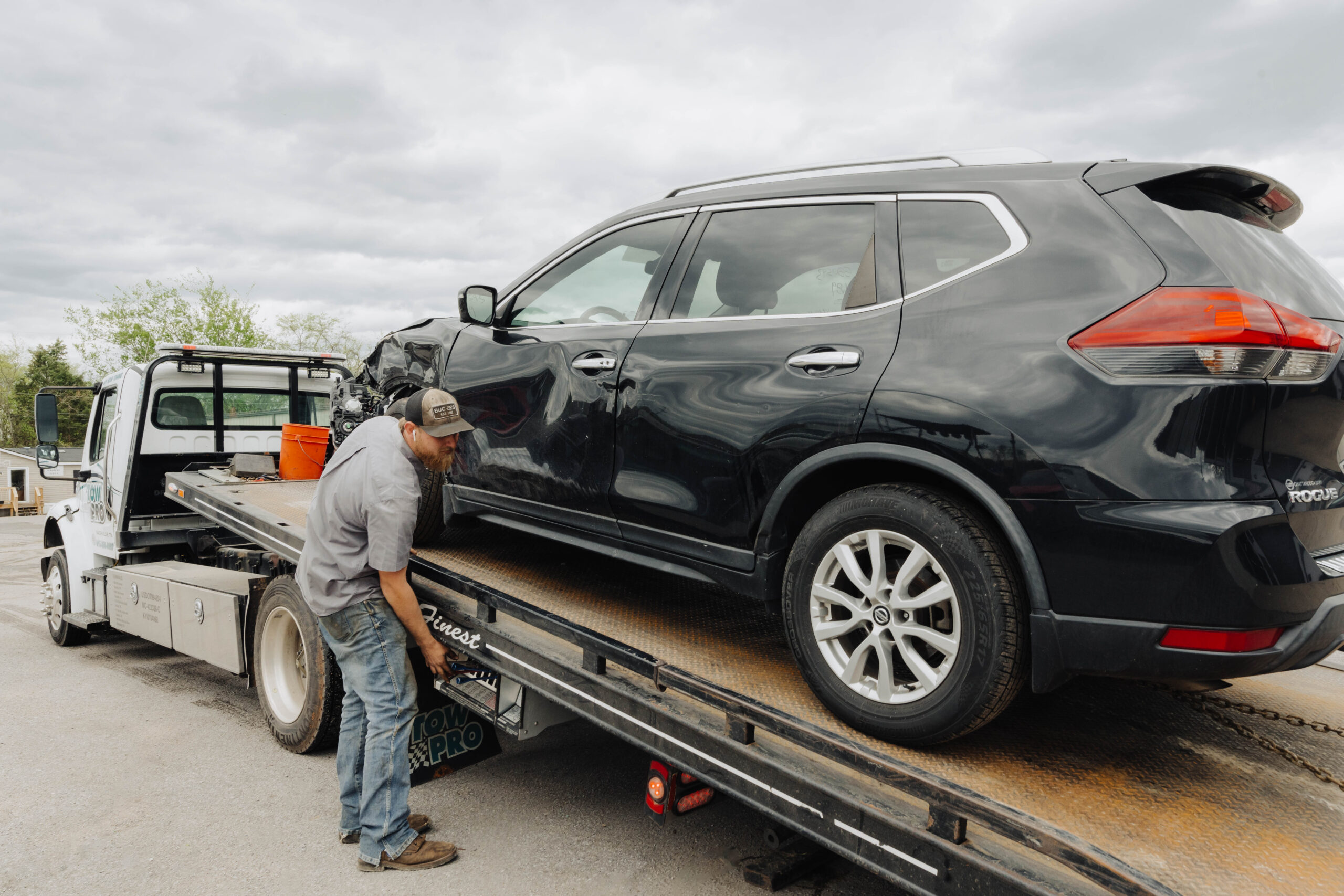
If your vehicle has been disabled in a collision, you don’t have to figure out towing logistics on top of everything else. Tow Pro’s 24/7 roadside assistance and vehicle towing services are designed for exactly this situation — fast response, trained operators, and damage-free handling of your vehicle when you’re already dealing with enough.
Our dispatchers answer every call in real time. No voicemail. No “we’ll call you back in the morning.” Whether you’re stranded near the Gulch, out by the airport, or on a stretch of I-24 in Antioch, we know Nashville’s roads and we’ll get to you fast.
If the accident involves a commercial vehicle or heavy equipment, our heavy-duty towing team is also available around the clock to handle what standard tow trucks can’t.
A Little Preparation Goes a Long Way
Car accidents are stressful, unpredictable, and rarely convenient. But being prepared, knowing the steps, having the right numbers saved in your phone, and understanding your options when your car can’t be driven, takes some of the chaos out of an already difficult situation.
Save Tow Pro’s number before you need it: 615-256-8697. We’re here 24/7, and we’re always just one call away.